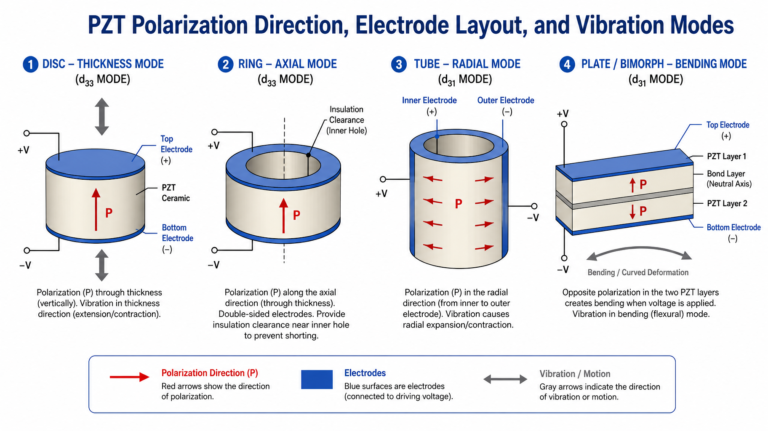
How to Design PZT Polarization Direction? Lesson 2: Electrode Layout and Vibration Modes
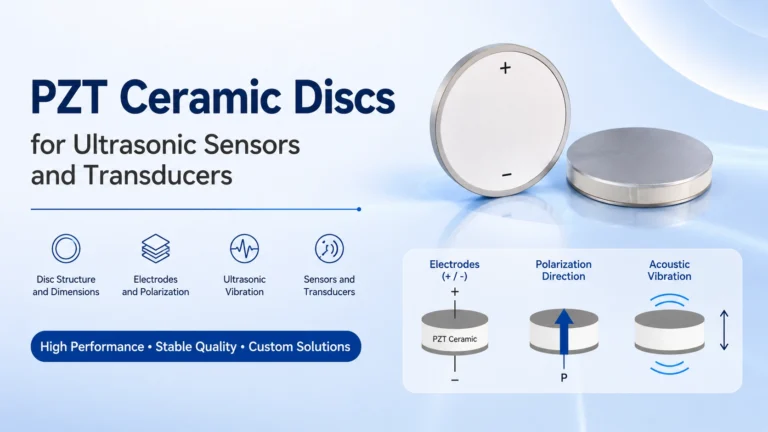
Why PZT Polarization Direction Is a Key Part of Structure Design PZT polarization direction is one of the basic details that must be confirmed…
Why PZT Polarization Direction Is a Key Part of Structure Design PZT polarization direction is one of the basic details that must be confirmed…
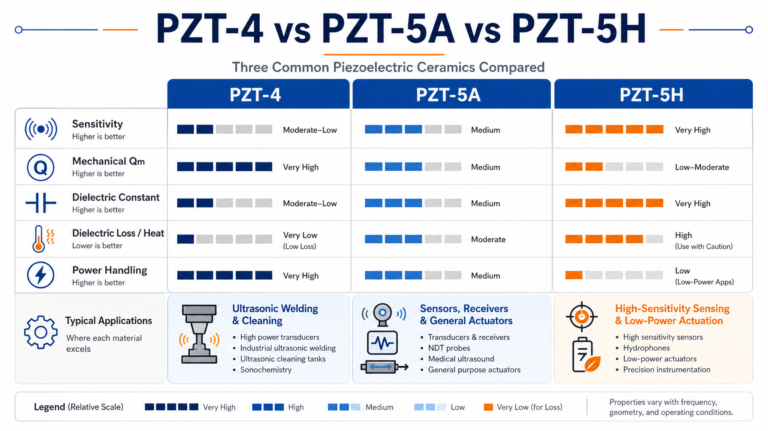
Why Engineers Often Compare PZT-4, PZT-5A, and PZT-5H PZT-4, PZT-5A, and PZT-5H are common reference grades in engineering drawings, bills of materials, supplier datasheets,…
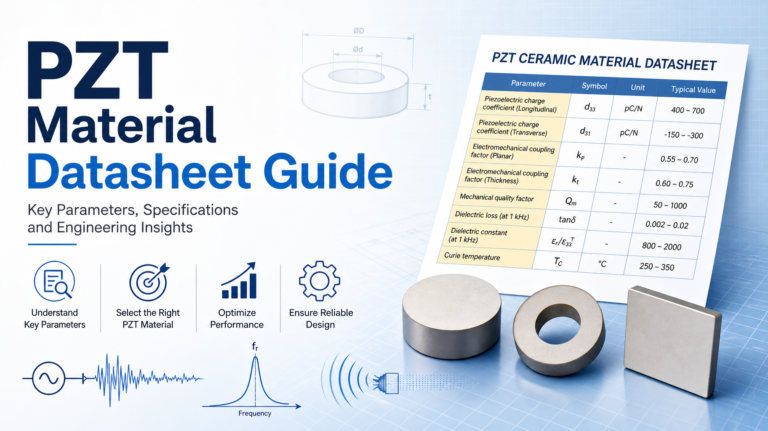
Why a PZT Material Datasheet Should Not Be Read by One Number When selecting a PZT piezoelectric ceramic material, it is common to start…
Why Clear Specifications Matter for Custom PZT Ceramic Components Custom PZT ceramic components are often requested when a standard disc, ring, plate, or tube…
Why PZT Ceramic Discs Are Used in Ultrasonic Sensors and Transducers PZT ceramic discs are commonly used in ultrasonic sensors and compact transducers because…
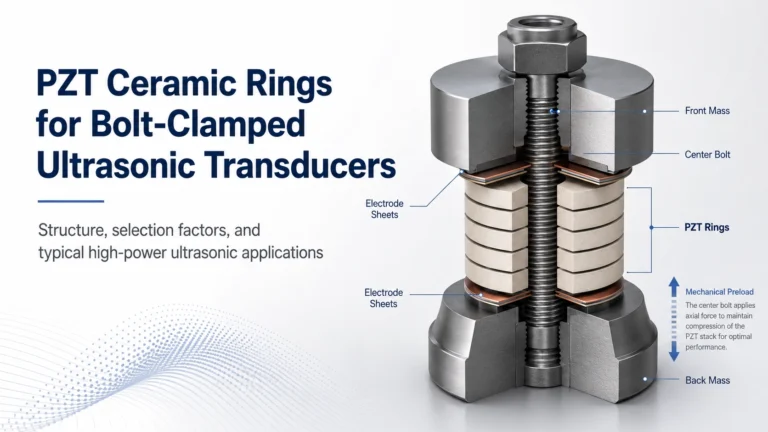
Why PZT Ceramic Rings Are Used in Bolt-Clamped Transducers PZT ceramic rings are commonly used in bolt-clamped ultrasonic transducers because the center hole allows…
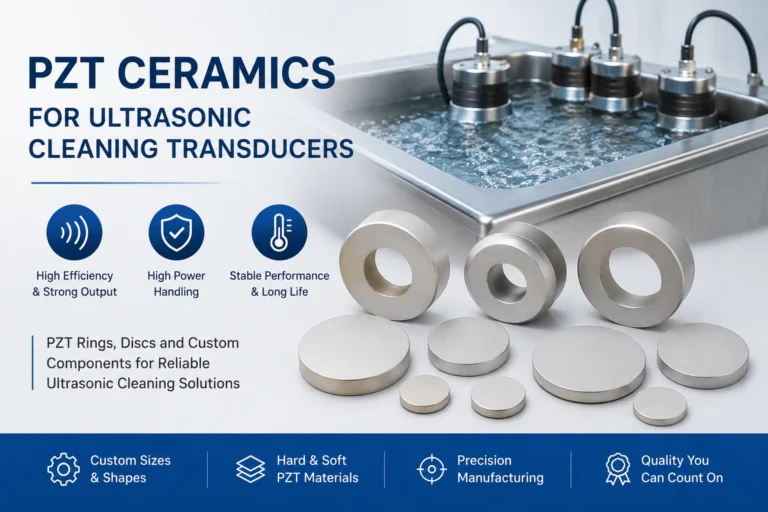
Introduction An ultrasonic cleaning transducer converts electrical energy into high-frequency mechanical vibration for cleaning tanks and liquid cleaning systems. PZT ceramics are widely used…
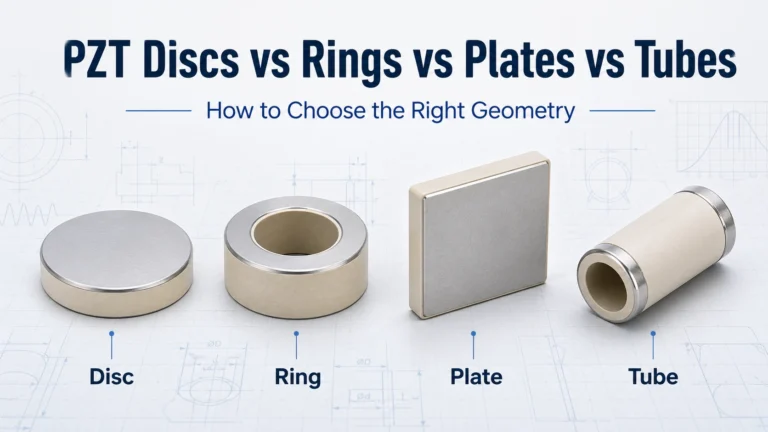
PZT discs vs rings vs plates vs tubes is a practical geometry-selection question in piezoelectric ceramic design. When engineers or buyers compare PZT ceramic…
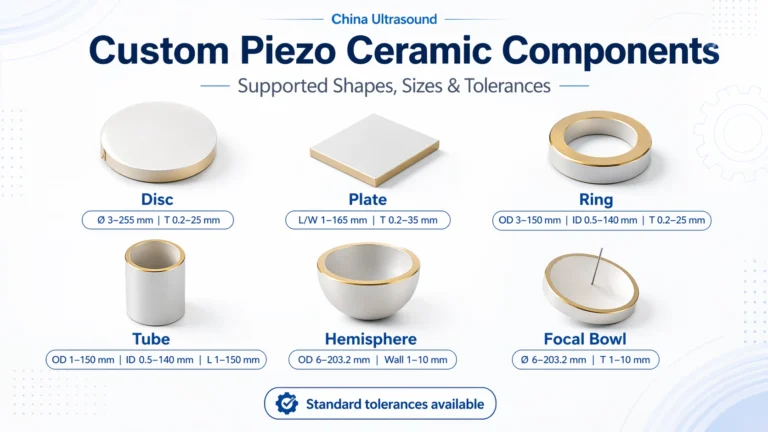
Piezo ceramic components are widely used in ultrasonic transducers, cleaning systems, welding equipment, medical ultrasound, sensors, actuators, flow meters, and underwater acoustic devices. Because…